
A Framework to Achieve Quality and Excellence in Higher Education

Achieving Quality and Excellence in Higher Education
A Framework for Sustainable Academic Development
Introduction
Higher education plays a central role in shaping societies, economies, and future generations. As institutions expand globally, the challenge is no longer access alone, but ensuring quality, excellence, and long-term impact. This article explores a comprehensive framework for achieving quality and excellence in higher education, drawing on extensive literature and global best practices
Why Quality Matters in Higher Education
Quality in higher education is not limited to infrastructure or faculty qualifications. It reflects the alignment between institutional mission, learning outcomes, research output, and societal needs. Institutions that prioritize quality develop graduates who are ethically grounded, professionally competent, and adaptable to a rapidly changing global environment
Key dimensions of quality include:
- Teaching effectiveness and curriculum relevance
- Research-oriented academic culture
- Accountability, transparency, and governance
- Student satisfaction and employability
From Quality Assurance to Academic Excellence
Excellence goes beyond meeting standards—it represents outstanding performance, continuous improvement, and global competitiveness. Institutions committed to excellence embed quality into every academic and administrative process, ensuring consistency, innovation, and measurable outcomes.
Excellence in higher education depends on:
- Strong academic leadership
- Outcome-based education models
- Research-driven teaching practices
- Integration of ethics, values, and innovation
Key Pillars for Achieving Excellence
1. Research-Based Teaching and Faculty Development
High-quality institutions invest in research-oriented faculty, continuous training, and incentive systems that reward innovation and academic contribution. Research-active teachers deliver deeper learning experiences and prepare students for complex real-world challenges.
2. Industry and Academia Integration
Strategic collaboration with industry ensures that curricula remain relevant, skills-focused, and employment-oriented. Internships, case studies, and applied research strengthen graduate employability and institutional credibility.
3. Governance, Accountability, and Quality Audits
Transparent governance structures and periodic internal and external quality audits help institutions maintain standards, identify gaps, and implement corrective actions effectively.
4. Technology and Innovation
Modern higher education requires continuous technological upgrading. Digital tools enhance access, collaboration, research capabilities, and global academic engagement.
The Role of Students and Stakeholders
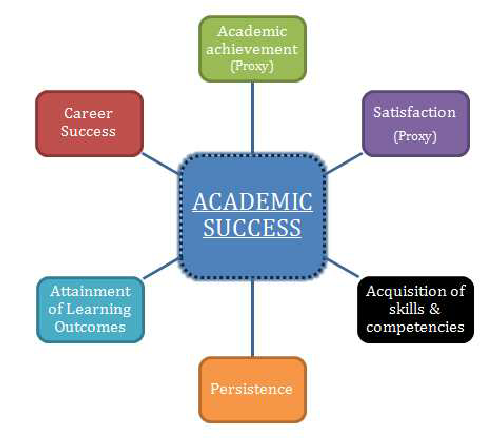
Students are key stakeholders in the quality ecosystem. Their satisfaction, learning outcomes, and career success provide the most accurate indicators of institutional performance. Engaging employers, communities, and policymakers further strengthens institutional relevance and impact

Conclusion
Quality and excellence in higher education are not achieved through isolated initiatives, but through integrated systems, strong leadership, research orientation, and stakeholder alignment. Institutions that commit to continuous improvement, ethical values, and innovation position themselves as drivers of national development and global knowledge economies.
By adopting structured frameworks and outcome-based approaches, higher education institutions can ensure long-term sustainability, academic credibility, and societal value