
Introduction
Islamic banking in the Sultanate of Oman is a relatively recent development compared to other GCC countries, having officially launched in 2012 following a Royal Decree. Since then, Islamic banks and Islamic windows have expanded steadily under the supervision of the Central Bank of Oman (CBO). This article explores the development of the financial system of Islamic banks in Oman, highlighting regulatory frameworks, performance indicators, challenges, and strategic recommendations for sustainable growth, based on the referenced academic study
The Emergence of Islamic Banking in Oman
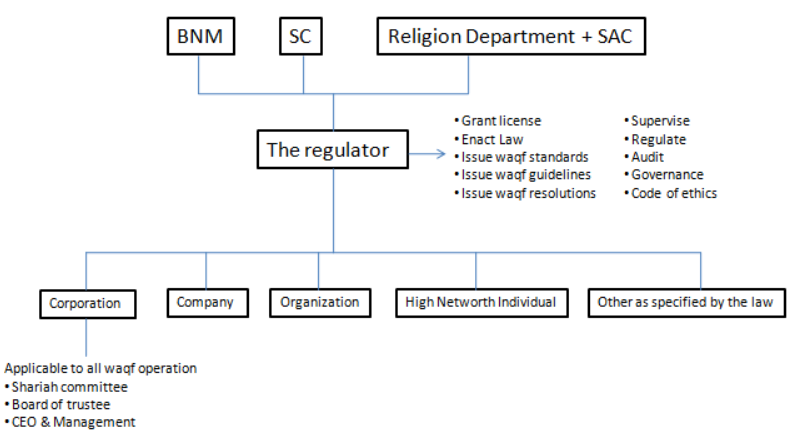
Islamic banking services in Oman began with institutions such as Bank Nizwa, Al Izz Islamic Bank, Meethaq Islamic Banking, Maisarah, and Muzn Islamic Banking. These institutions operate either as fully independent Islamic banks or as Islamic windows within conventional banks, all regulated by the Central Bank of Oman.
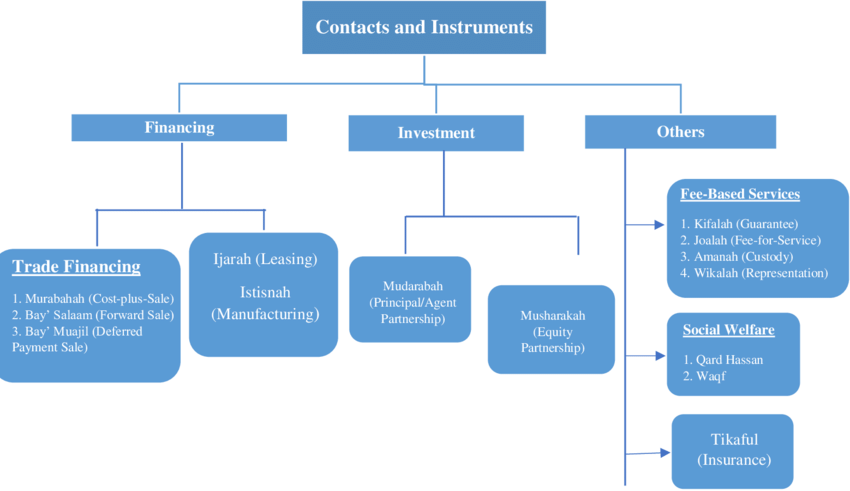
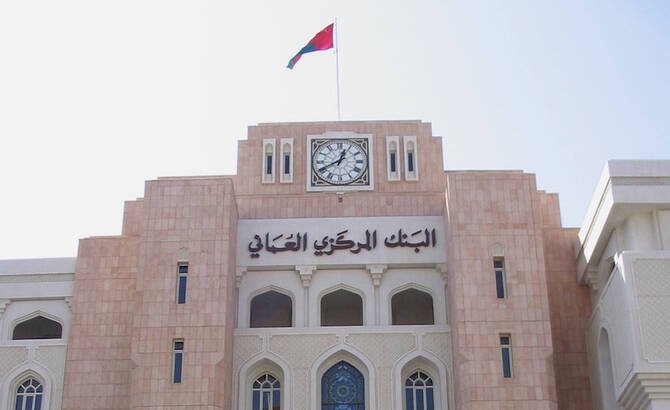
The CBO plays a critical role in ensuring compliance with Sharia principles and regulating Islamic financial products through Royal Decree 96/2012. Approved Islamic financing instruments include Murabaha, Musharaka, Ijarah, Istisna, Salam, and Mudaraba, while certain instruments such as Tawarruq have been restricted to maintain Sharia integrity.
Financial System of Commercial Banks vs Islamic Banks
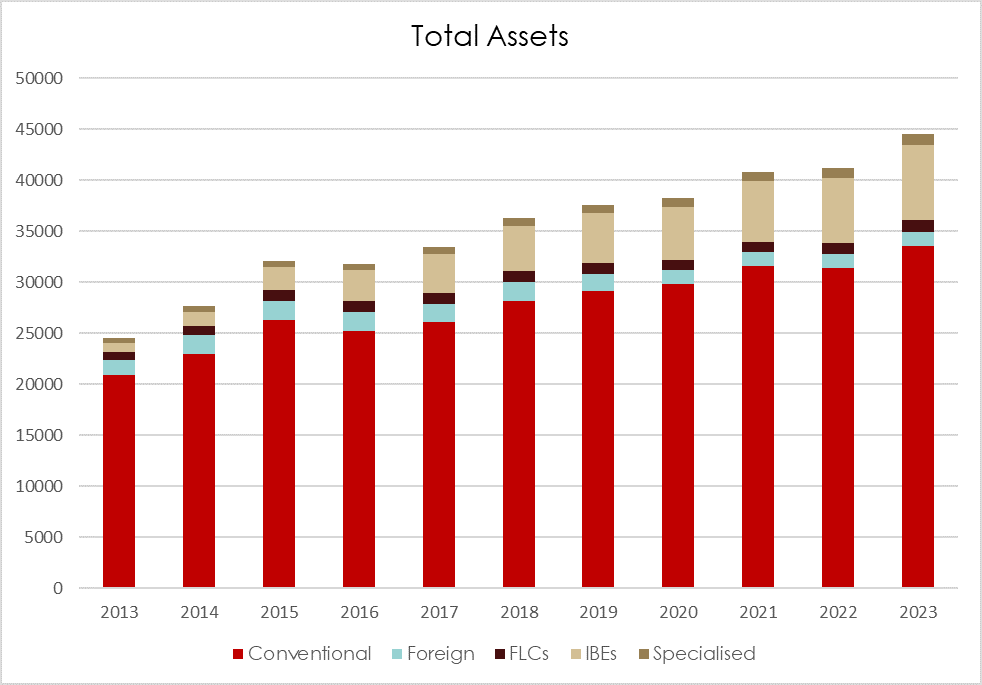
Oman’s banking sector contributes significantly to economic growth and financial stability. Commercial banks have historically dominated the sector, particularly in deposit mobilization and interest-based products. Data from the Central Bank of Oman shows fluctuations in interest rates and deposit structures, influenced by liquidity conditions and oil price movements.
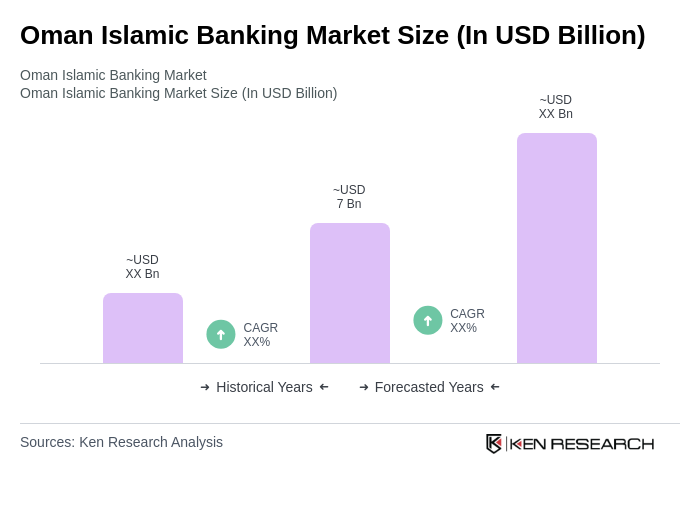
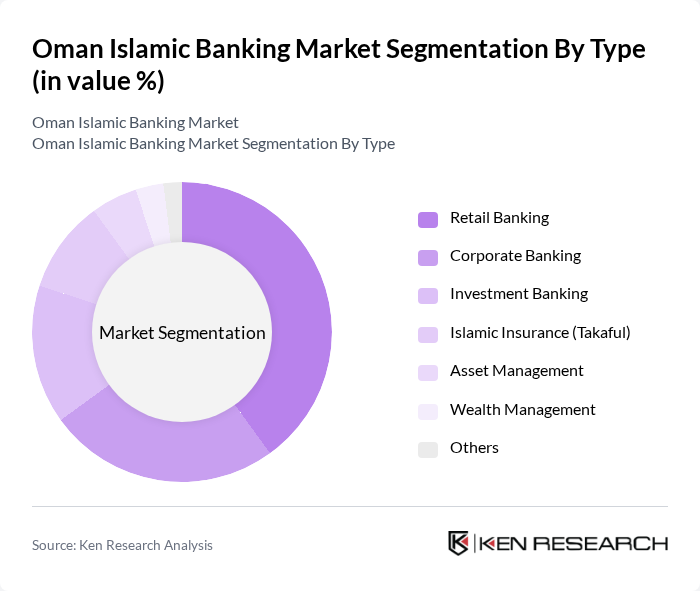
In contrast, Islamic banks operate on profit-and-loss sharing models rather than interest-based mechanisms. By the first quarter of 2017, Islamic banking assets in Oman reached approximately OMR 3.3 billion, with total financing exceeding OMR 2.6 billion and deposits reaching OMR 2.4 billion. Non-performing financing ratios remained relatively low, indicating system resilience and growing market confidence
Key Challenges Facing Islamic Banks
Despite steady growth, Islamic banks in Oman face several structural and operational challenges:
- Regulatory Centralization: Approval of new Islamic products can take longer due to centralized regulatory processes.
- Limited Market Awareness: Many customers still lack a clear understanding of Sharia-compliant finance and how it differs from conventional banking.
- Human Capital Constraints: A shortage of specialized Islamic banking professionals affects operational efficiency.
- Competitive Pressure: Islamic banks face strong competition from conventional banks, particularly in pricing and customer reach.
These factors have slowed the pace of development compared to more mature Islamic banking markets in the GCC.
Drivers of Customer Adoption
Research indicates that religious motivation plays a significant role in customer preference for Islamic banking, though it is not the sole factor. Service quality, pricing, accessibility, and social influence also strongly affect customer behavior. Importantly, customers in more mature markets have become increasingly knowledgeable and demand strict Sharia compliance, placing greater pressure on governance, transparency, and reporting standards.
The study outlines several strategic priorities to strengthen Islamic banking in Oman:
- Enhancing regulatory flexibility while maintaining Sharia compliance
- Developing long-term marketing strategies to attract local and international customers
- Investing in professional training and capacity building
- Improving pricing competitiveness against conventional banks
- Strengthening collaboration between Islamic banks, regulators, and academic institutions
These measures are essential for building a robust and competitive Islamic financial system aligned with national economic goals.
Contribution to Oman’s Economic Vision
Islamic banking supports Oman’s broader economic diversification strategy by mobilizing Sharia-compliant funds, supporting SMEs, and enhancing financial inclusion. The study emphasizes the importance of aligning Islamic banking development with national visions such as Oman Vision 2020 and Vision 2040, particularly in reducing reliance on oil revenues and strengthening financial infrastructure
Conclusion
The development of Islamic banking in Oman represents both a financial opportunity and a strategic necessity. While the sector faces regulatory, operational, and competitive challenges, its growth potential remains strong. With continued support from the Central Bank of Oman, targeted human capital development, and increased public awareness, Islamic banks can play a central role in strengthening Oman’s financial system and supporting sustainable economic growth.